Safety First: Essential Tips for Loft Hatch Installations
In terms of home improvement, roof space access points often escape attention, yet they play a key role in providing access to valuable storage space and enhancing the overall functionality of a home. A well-installed loft hatch not only provides simple entry but also contributes to the eco-friendliness and safety of your living environment. With the right knowledge and approach, homeowners can make certain that their loft hatch installations meet both practical needs and aesthetic desires.
In this article, we will explore essential tips for loft hatch installations, leading you through all aspects from choosing the right hatch for your home to understanding important safety features. Whether you are planning a DIY project or hiring a professional, our insights will help you avoid common pitfalls and make informed decisions. Let’s dive into the world of loft hatches and ensure safety first in your home improvement journey.
Selecting the Best Loft Hatch
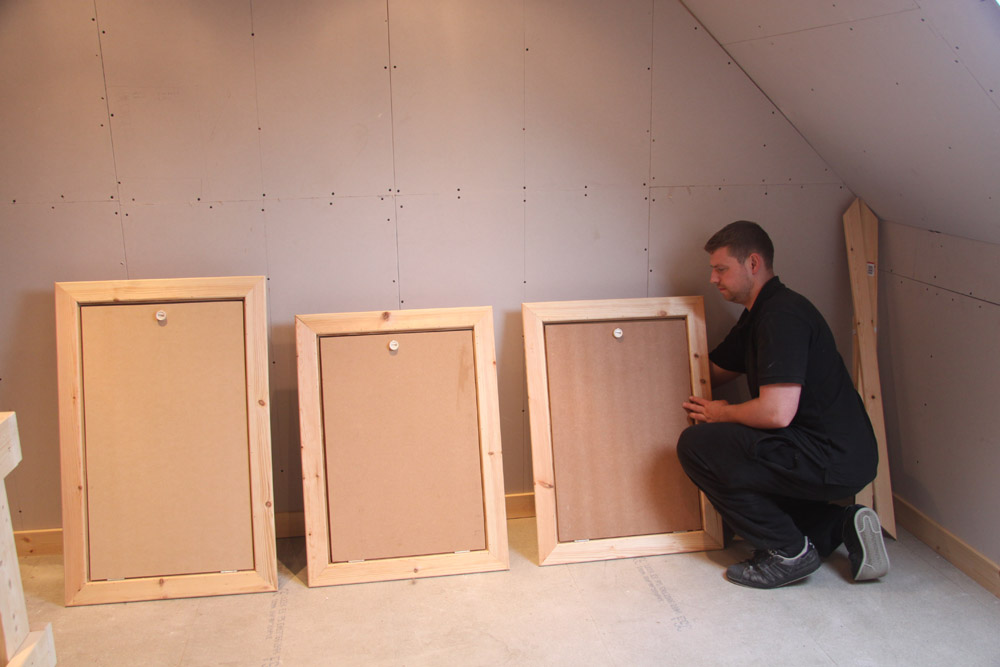
As you picking a loft hatch, it's important to consider your individual needs and preferences. Start by measuring the size of your loft opening, as this will dictate the dimensions of the hatch you require. Take measurements accurately to guarantee a suitable fit that facilitates safe and easy access. Consider whether you need a standard size or a custom-sized hatch to accommodate non-standard openings, which can enhance functionality and aesthetics in your home.
A further crucial factor is the material of the loft hatch. Topographic Surveys Stroud Green and plastic options each have their advantages. Metal loft hatches often provide extra durability and security, making them ideal for high-traffic areas or commercial environments. On the other hand, plastic loft hatches are generally lighter and easier to install, making them suitable for residential use. Assess the intended use of your loft and decide which material suits your requirements.
Finally, consider insulation and energy efficiency. An insulated loft hatch can greatly impact your home's energy efficiency by minimizing heat loss and reducing utility bills. If energy savings and maintaining a comfortable indoor temperature are important, invest in an insulated model. Additionally, features like airtight seals can help avoid drafts and enhance energy performance, ensuring that your loft hatch contributes positively to your living environment.
Loft Hatch Installation Guide
Fitting a loft hatch can greatly improve your entry into the loft space while ensuring security and energy efficiency. Begin by choosing the right loft hatch that suits your home’s requirements. Consider aspects such as the size of the aperture, insulation properties, and whether you prefer a drop-down or hinged type. Select a hatch that complements your interior décor and meets safety standards, especially if you reside in a fire-rated zone.
Once you have selected the correct loft hatch, it's time to measure your loft opening accurately. Use view it to check the size and width of the existing opening to confirm that your replacement hatch is a proper fit. If your loft space is non-standard, you may need a tailored hatch. After noting the measurements on the ceiling, prepare the workspace by clearing any obstacles and ensuring there is adequate lighting.
With your hatch and equipment ready, begin the installation. Take away the old hatch if applicable, making sure to remove any debris. Follow the manufacturer's instructions for installation, which typically involves securing the frame to the ceiling joists and installing the hatch properly. Ensure that the hatch is properly sealed to avoid drafts and heat loss, which is crucial for energy efficiency. Finally, check the mechanism to ensure it opens and closes smoothly, making any necessary adjustments to improve usability and safety.
Energy Conservation and Security Aspects
As you evaluating the installation of a loft hatch, energy effectiveness should be a key consideration. An insulated loft hatch can significantly reduce thermal loss, helping to keep a cozy temperature in your home while reducing energy bills. By preventing drafts and maintaining a secure seal, these hatches contribute to overall energy efficiency, making your environment more sustainable and affordable. It's essential to opt for models that are particularly designed to minimize air leakage and meet energy standards.
Safety is also critical factor when placing a loft hatch. Making sure that the hatch is rated for fire can offer added protection, especially in areas where fire codes are rigorous. These hatches are designed to withstand flames and prevent smoke from moving, providing essential time for evacuation in the event of a fire. Knowing key building regulations regarding loft hatches can further enhance safety, ensuring adherence with local codes and standards.
Finally, the inclusion of features that enhance safety should not be neglected. For instance, secure locking mechanisms and durable materials can block unauthorized access while providing assurance. Maintaining loft hatches well-maintained by lubricating hinges and latches, and employing airtight seals can prevent safety hazards linked to wear and tear. By focusing on both energy efficiency and safety, homeowners can enjoy a pleasing and secure environment.